
The industrial and logistics sector in Australia is experiencing an unprecedented boom, driven by surging e-commerce, population growth, and increased global trade. However, this rapid expansion has raised concerns about industrial land supply, particularly in high-demand regions like Brisbane’s industrial market and Gold Coast industrial land.
Experts predict that industrial space demand will soon exceed supply, potentially leading to price hikes, limited availability, and challenges for businesses looking to expand their logistics operations. If proactive measures are not taken, Australia could face a severe shortage of industrial and logistics sector infrastructure by 2029.
The Growing Land Supply Challenges in Australia
Brisbane Industrial Market. A Hub Under Pressure
Brisbane is one of Australia’s largest industrial and logistics sector hubs, strategically positioned as a gateway for trade across Queensland and northern Australia. The city currently has approximately 6,490 hectares of zoned industrial land supply, but only 11% (around 738 hectares) remains undeveloped and serviced.
Land absorption in Brisbane has reached record levels, with 170 hectares consumed in 2022—far surpassing the five-year average of 119 hectares. This rapid uptake is being driven by the expansion of e-commerce, retail, and manufacturing industries, all of which require substantial warehousing and distribution infrastructure. As a result, industrial land in Brisbane is becoming increasingly scarce, and future availability is at risk.
Source: CBRE Industrial Report
Gold Coast Industrial Land: Supply at an All-Time Low
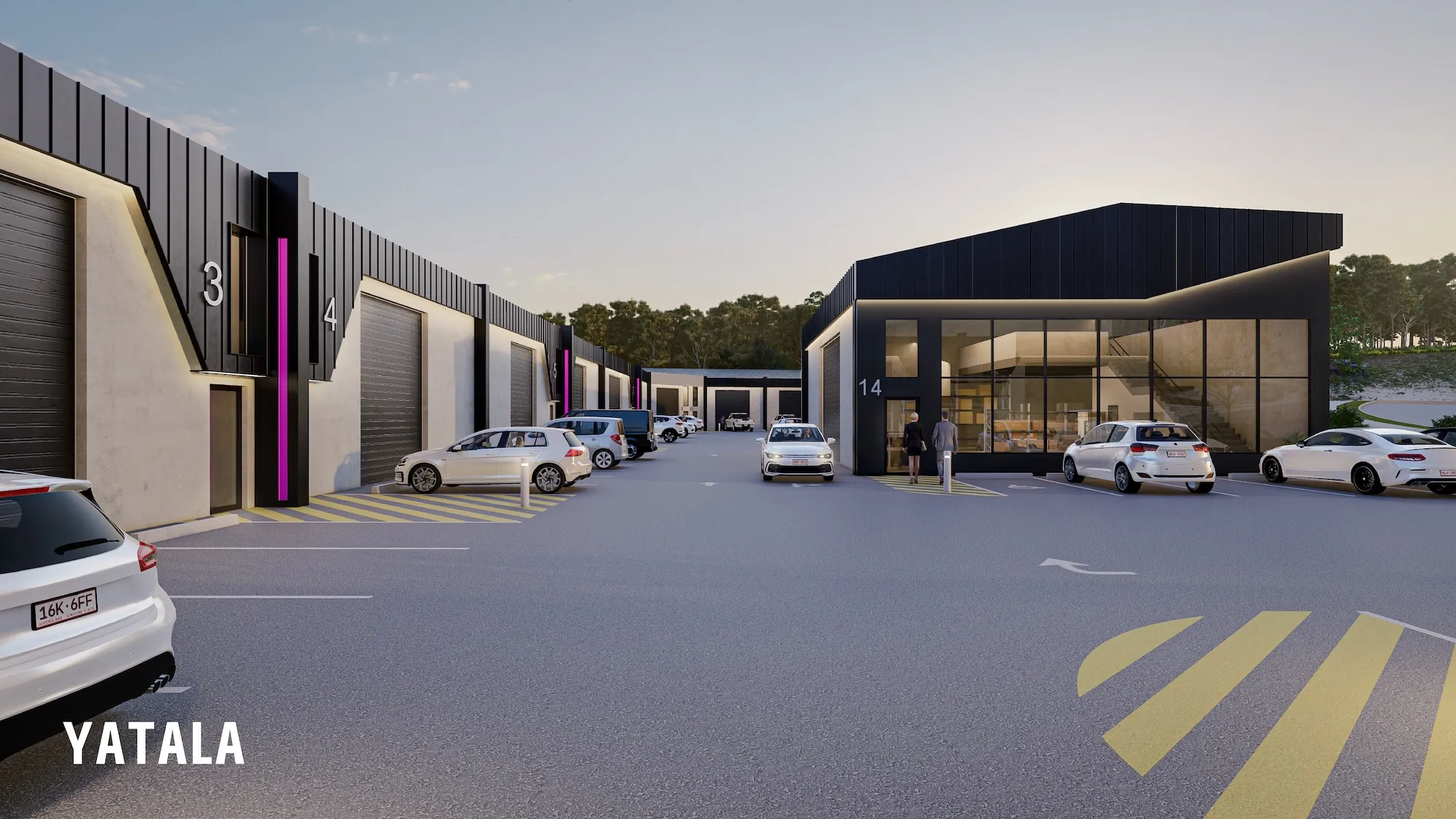
The Gold Coast industrial land market is facing a critical shortage, leading to record-high property prices. The Yatala Enterprise Area—one of the region’s most significant industrial hubs—now has less than seven months of available land based on current demand levels.
As land scarcity intensifies, prices continue to rise, making it more expensive for businesses to establish or expand their operations. The region’s infrastructure has not kept pace with demand, further exacerbating the supply crisis. Industrial land availability is expected to tighten further unless strategic action is taken to introduce new land releases or optimize existing resources.
Source: PropJ Industrial Report
What’s Driving the Surge in Industrial Demand?
Population Growth & Urban Expansion
Brisbane’s growing population is fueling demand for logistics and industrial facilities to accommodate an expanding consumer base. As more people move into the region, businesses require additional space to store, distribute, and manage goods efficiently
The E-Commerce Boom
Online retail sales in Australia continue to grow rapidly, with e-commerce expected to account for over 25% of total retail sales by 2027. The shift toward faster delivery and expanded product offerings has led to increased demand for warehouse space, fulfillment centers, and last-mile delivery hubs.
Strategic Location & Trade Opportunities
Brisbane’s role as a key logistics hub for Queensland and northern Australia has made it a prime market for industrial growth. Its connectivity to ports, highways, and rail networks supports domestic and international trade, making it an essential location for supply chain operations.
Limited New Land Releases & Zoning Challenges
Despite the rising demand for industrial land, government regulations and zoning restrictions have slowed the release of new sites. Some designated industrial zones require further infrastructure investment before they can be developed, leading to delays and bottlenecks in supply.
What Happens If Industrial Supply Falls Short?
Without intervention, Australia’s industrial and logistics sector could face severe consequences.
Rising land prices and rental costs may force businesses to scale back expansion plans or seek alternative locations. A lack of available space could also lead to supply chain inefficiencies, causing delays and increased operational costs. Additionally, if local markets cannot meet demand, companies may shift investment to offshore alternatives, reducing economic opportunities within Australia.
The Future. Solutions & Investment Opportunities
Government & Private Sector Collaboration
Policymakers and industry stakeholders must work together to accelerate industrial zoning approvals and infrastructure development. Offering incentives such as tax breaks and grants could encourage investment in underutilized areas, helping to ease supply constraints.
Multi-Level Warehousing & Land Optimization
As industrial land becomes more scarce, businesses may need to adopt innovative solutions such as multi-story warehouses and automated storage systems. This approach, already being explored in cities like Sydney and Melbourne, could be a viable option for Brisbane and the Gold Coast.
Smart Logistics & Tech-Driven Solutions
As industrial land becomes more scarce, businesses may need to adopt innovative solutions such as multi-story warehouses and automated storage systems. This approach, already being explored in cities like Sydney and Melbourne, could be a viable option for Brisbane and the Gold Coast.
The Road Ahead for Australia’s Industrial Market
The industrial and logistics sector in Australia is at a pivotal crossroads. With industrial land supply tightening in the Brisbane industrial market and Gold Coast industrial land regions, urgent action is required to sustain economic growth and support the country’s expanding logistics and supply chain network.
For investors, developers, and businesses, this presents both challenges and opportunities. By implementing strategic planning, policy changes, and innovative solutions, Australia can continue to thrive in the global industrial market while ensuring long-term sustainability.


